You Are Not Going Home Go Back to Class
As an embroidery designer and product reviewer, I’ve seen countless designs come and go. But when I first laid eyes on You Are Not Going Home Go Back to Class, I knew it had the potential to stand out in a crowded market. The design is bold, eye-catching, and clearly crafted with a purpose—back-to-school messaging that’s both fun and functional. It’s the kind of design that could easily become a staple for small businesses, Etsy sellers, and crafters looking to create something unique and meaningful.
The First Impression: A Design That Speaks Volumes
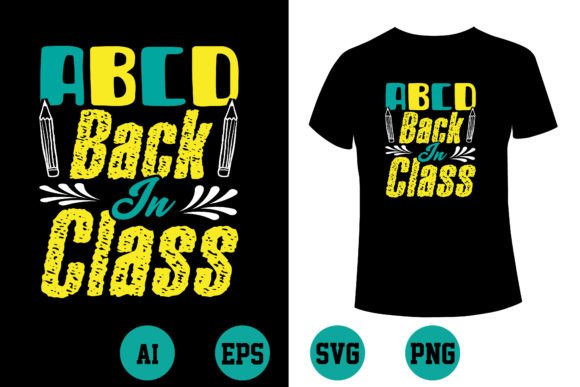
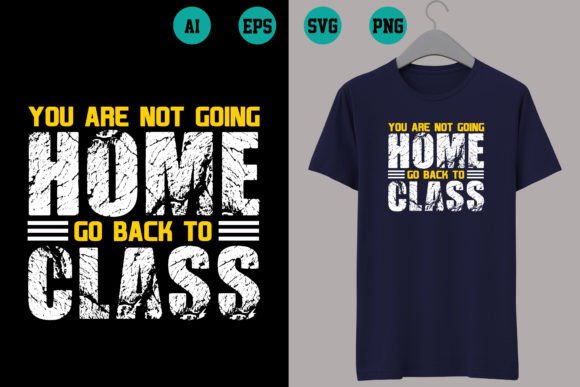
You Are Not Going Home Go Back to Class immediately conveys a sense of urgency and motivation. The layout is clean, with a strong visual hierarchy that makes the message easy to read at a glance. The typography is modern and slightly edgy, which gives it a youthful energy that fits well with school-themed projects. The design isn’t overly complicated, but it has enough detail to make it visually interesting without becoming overwhelming.
It’s clear that this is a machine embroidery design meant for practical use. The shapes are well-defined, and the overall structure suggests it would work well on a variety of fabrics and garments. Whether you’re planning to use it on a tote bag design, a sweatshirt embroidery, or even a baby embroidery project, the design has the flexibility to adapt to different applications.
Real-World Embroidery Performance
Testing You Are Not Going Home Go Back to Class on different materials gave me a good sense of how it performs in real-world situations. On standard cotton t-shirts, the design looked sharp and clean, with no issues in stitch density or thread color contrast. The satin stitch areas were smooth, and the fill stitch sections didn’t appear too dense, which is a big plus for those who want to avoid puckering or fabric distortion.
However, there are a few considerations. On thin fabric or stretchy fabric, the design might require additional stabilizer to prevent the stitches from pulling or stretching out of shape. I also noticed that on dark fabric, the white thread used in the design stood out nicely, but if you're using a different color, it’s important to test the contrast before committing to a full project.
This design works best on flat, stable surfaces. If you're trying to embroider it on a cap or a curved surface, you may need to adjust the hoop size or use a custom hoop to ensure even stitching. The design’s layout is mostly linear, so it should handle curved areas reasonably well, but the corners might require extra attention to maintain clarity.
Where to Use It—and Where to Be Cautious
You Are Not Going Home Go Back to Class is ideal for custom apparel, personalized gifts, and small shop products. It would make a great addition to a craft business or an Etsy seller’s inventory. The design is versatile enough to be used on tote bags, aprons, pillow covers, and even holiday gifts like embroidered mugs or tea towels.
That said, there are some situations where caution is warranted. On textured fabrics or layered garments, the design might not show up as clearly as it does on smooth, plain fabrics. If you're working with a decorative accent or a highly detailed corner, you’ll want to double-check how the design translates in those areas. Also, if you're planning to use it on commercial embroidery projects, make sure you understand the licensing terms before selling finished items.
Impact on Visual Appeal and Customer Trust
One of the strongest aspects of You Are Not Going Home Go Back to Class is its ability to catch attention. In a world where consumers are bombarded with options, a design that stands out can make all the difference. Whether it's used on a handmade product or a digital product preview, the design adds value by making the final item more appealing and memorable.
From a customer perspective, this design feels professional and well-crafted. It’s the kind of piece that can help build trust in your brand, especially if you’re selling personalized gifts or custom apparel. The clean lines and strong message make it easy to recognize, which is essential for brand consistency and buyer engagement.
Practical Tips for Using This Design
If you're planning to use You Are Not Going Home Go Back to Class in your next embroidery project, here are a few tips to keep in mind:
- Test the design on scrap fabric before committing to a full project. This will help you see how it looks on different materials and identify any potential issues early on.
- Check thread color contrast to ensure the design stands out on your chosen fabric. If you’re using a dark background, make sure the thread color is bright enough to be visible.
- Review stitch density to avoid over-stitching, especially on delicate or stretchy fabrics.
- Confirm hoop size to ensure the design fits comfortably without being cut off or distorted.
- Inspect small details to make sure everything is crisp and clear, especially around the text and any intricate elements.
- Test it in black and white mockups to see how it looks without color, which can help with design adjustments.
- Compare light and dark fabric backgrounds to determine the best look for your intended use.
- Use proper stabilizer to prevent puckering or distortion, especially on thin or stretchy fabrics.
- Check whether the design works for both personal and commercial projects based on your needs.
- Confirm licensing before selling finished items or digital products to avoid any legal issues.
Final Thoughts: A Design Worth Considering
You Are Not Going Home Go Back to Class is a solid choice for anyone looking to add a fresh, motivational message to their embroidery project. Its clean layout, strong visual presence, and versatility make it suitable for a wide range of applications. Whether you're running a craft business, creating personalized gifts, or simply looking for a new design to add to your collection, this one has a lot to offer.
With a little care and testing, You Are Not Going Home Go Back to Class can become a valuable asset in your design assets library. Just remember to take the time to evaluate how it works on different fabrics and in different settings. That way, you can ensure it meets your standards and delivers the quality your customers expect.